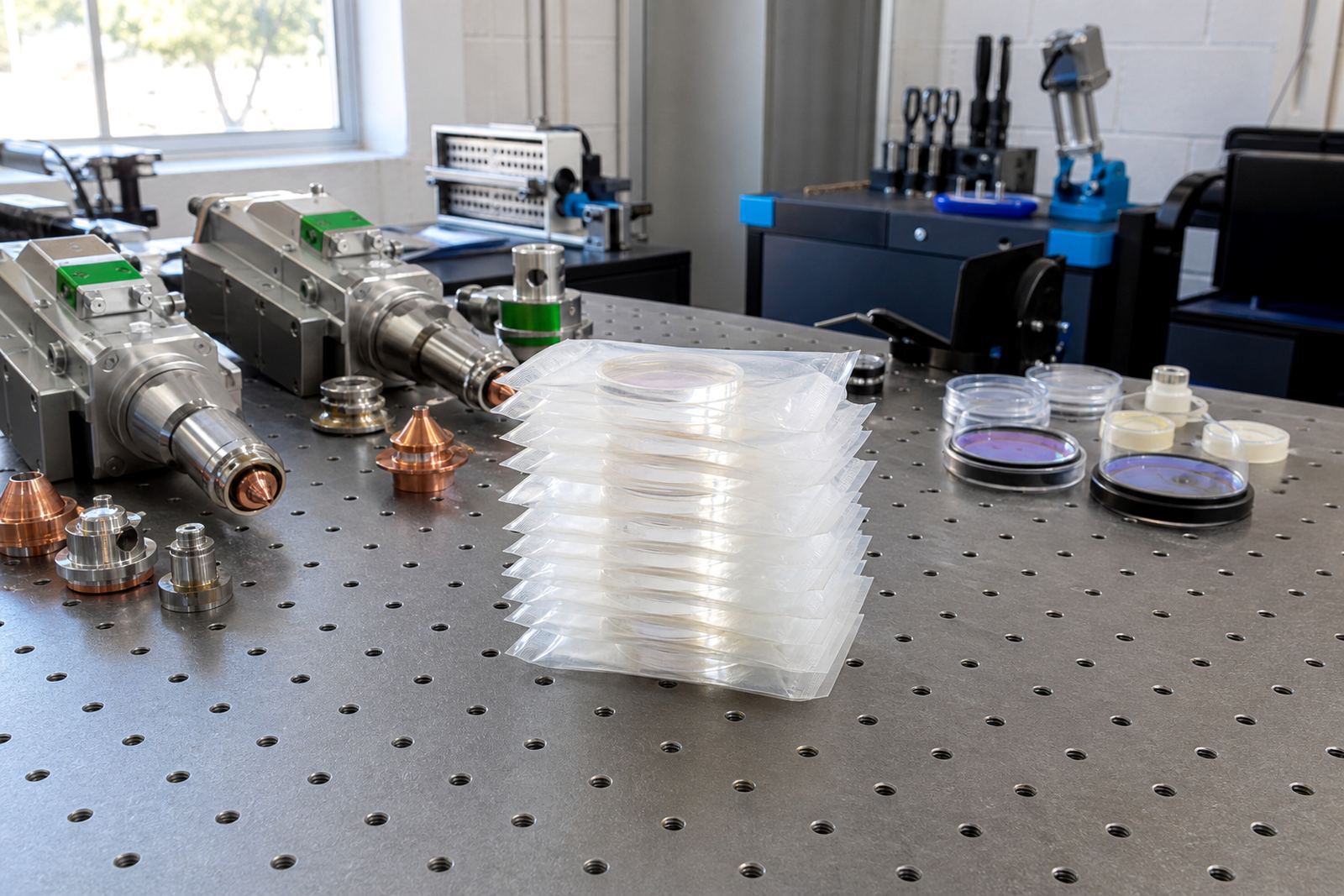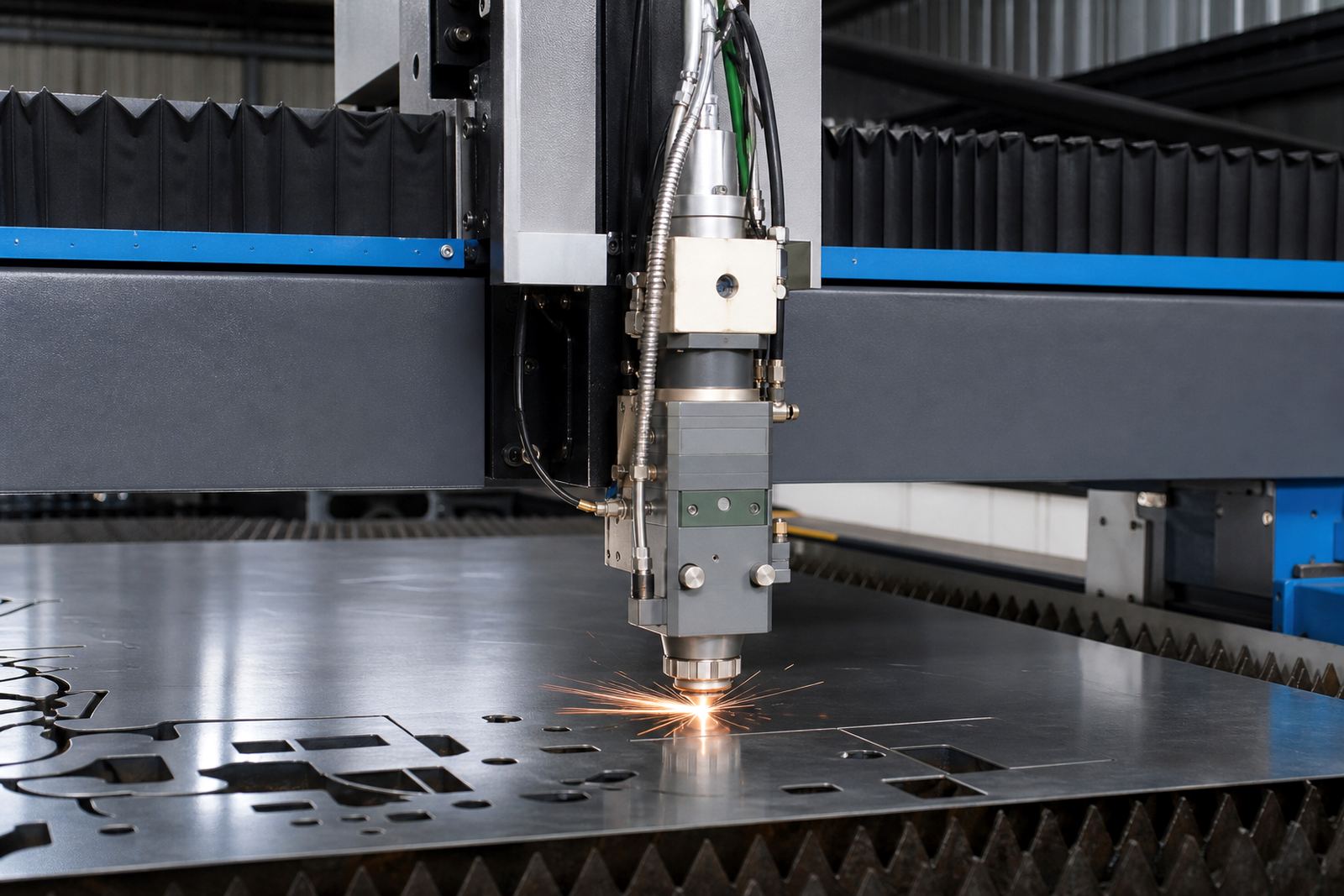
Head body set up for capacitive sensing
This head is built around a cutting head body that works with a capacitive sensing setup, letting the machine monitor the sheet surface and keep the nozzle at a controlled standoff. That matters on thin carbon steel, stainless and aluminium, where a small shift in height can change edge finish, dross formation and piercing stability. The sensor path, ceramic ring and internal alignment all need to sit clean and true if the machine is expected to read the sheet properly.
We supply the head in a sensor ready condition for fibre laser sheet-metal work, with the critical internal parts prepared for normal cutting duty. In practice that means the focus section, nozzle seat, protective window area and ceramic interface are set up for the kind of service a shop expects on a daily cutting line.
- Prepared for capacitive height sensing and standoff control
- Suitable for fibre laser sheet-metal cutting heads
- Built around a clean optical path and steady nozzle alignment
- Used where the machine must keep a consistent gap over varying sheet surfaces
Sizes, lens options and nozzle interface
The body is matched to common fibre laser cutting configurations, with options that depend on the machine mount, optical path and cutting lens arrangement. Focus lenses and collimator lenses are selected according to the head design and the cutting duty, while the nozzle seat must match the single layer or double layer nozzle format used in the shop. The protective window size and ceramic ring profile also need to line up with the head geometry.
When ordering, the useful details are the lens diameter, focal length, nozzle thread or fitment, protective window size, and the mounting style on the machine side. A head may look similar from the outside yet still use a different internal stack-up, so the optical and mechanical measurements must be checked before fitting.
- Compatible with fibre laser head assemblies used on sheet-metal machines
- Focus lens and collimator lens selection depends on the head build
- Single layer and double layer nozzle formats can be matched to the head
- Protective window and ceramic ring dimensions must suit the housing
Where the sensor ready build fits best
Shop floors that cut mixed thickness material often need a head that can keep up with small changes in sheet level, thermal lift and slight warp. That includes light-gauge panel work, general fabrication, ducting parts, enclosure blanks and production runs where the machine is expected to read the sheet without constant manual correction. In those jobs, a stable sensing setup helps the operator hold cut quality while the line keeps moving.
It also suits teams that run frequent nozzle changes, regular lens cleaning and scheduled head checks. When a machine sees abrasive dust, fine spatter or humid coastal conditions, the sensor face and optical parts need a head that stays true after service work, not one that drifts once the first few sheets are cut.
- Useful for repetitive cutting on mixed sheet thicknesses
- Suited to fabrication shops handling stainless, mild steel and aluminium
- Works well where the operator needs consistent standoff control
- Practical for inland and coastal shops dealing with dust, heat and humidity
Fitting, alignment and machine-side checks
Fitting starts with the machine mount, beam path, sensor setup and nozzle alignment. The head must be mounted square, the optics seated correctly and the ceramic ring checked for damage before the first cut. On-site alignment is often the right move when a machine has had a crash, a lens change, a nozzle issue or a repeated height sensing fault that does not clear with normal cleaning.
Bench service is used for deeper inspection of seals, internal contamination, focus movement and protective window condition. If the head has taken a hit, the rebuild work may include a head seal inspection, nozzle centring, focus setting check and a close look at the gas path and sensor interface. That kind of service keeps the head honest before it goes back onto the machine.
- Mount square to the beam path and machine carriage
- Check nozzle centring before production cutting starts
- Confirm focus setting after any lens or head service work
- Inspect the ceramic ring, seals and protective window for wear
Care that keeps the sensor reading steady
This type of head depends on clean optics and a clear sensing path. Protective windows should be checked for haze, pitting and coating damage, while the nozzle and ceramic ring need to stay free of spatter and fine dust. A dirty window or a worn nozzle can push the sensing readout out of range, and that shows up quickly as unstable standoff or a rough cut edge.
Routine care is straightforward but it has to be done properly. Use the correct cleaning method for the protective window, keep the lens stack handled with care, and replace worn ceramic parts before they crack or chip. If the head runs in a shop with a lot of fine mild steel dust, daily wipe-downs and regular inspection are worth the effort.
- Keep the protective window clean and free of heat marks
- Inspect nozzle wear and replace distorted nozzles early
- Clean lenses only with proper optical handling methods
- Watch the ceramic ring for chips, cracks and heat damage
Details to confirm before ordering
The right sensor ready head depends on the machine and the cut plan. Confirm the laser source type, head mount pattern, lens focal length, nozzle format, protective window size and the sensing arrangement used on the machine. If the head is going into a spare assembly, spare head preparation should follow the same measurements so the unit can slot into service without guesswork.
For practical ordering, it also helps to have the material mix, thickness range, cutting gas used on the machine, and whether the work includes on-site alignment or bench setup. Those details shape the final fit, the sensor setting and the lens choice. A head that is right for 1 mm stainless in one shop may need a different focus and nozzle set in another.
- Laser source type and machine mount pattern
- Lens focal length and optical stack dimensions
- Nozzle format, ceramic ring size and protective window size
- Material mix, thickness range and cutting gas used on the machine
Key facts
| Product type | Sensor ready fibre laser cutting head |
|---|---|
| Primary use | Capacitive height sensing with stable standoff control |
| Cutting setup | Fibre laser sheet-metal cutting machines |
| Optics | Focus lens and collimator lens matched to head design |
| Consumables | Single layer or double layer nozzles, protective windows, ceramic rings |
| Service options | Bench service, on-site alignment, nozzle centring, focus setting check |