

Cooling lines that keep the head stable
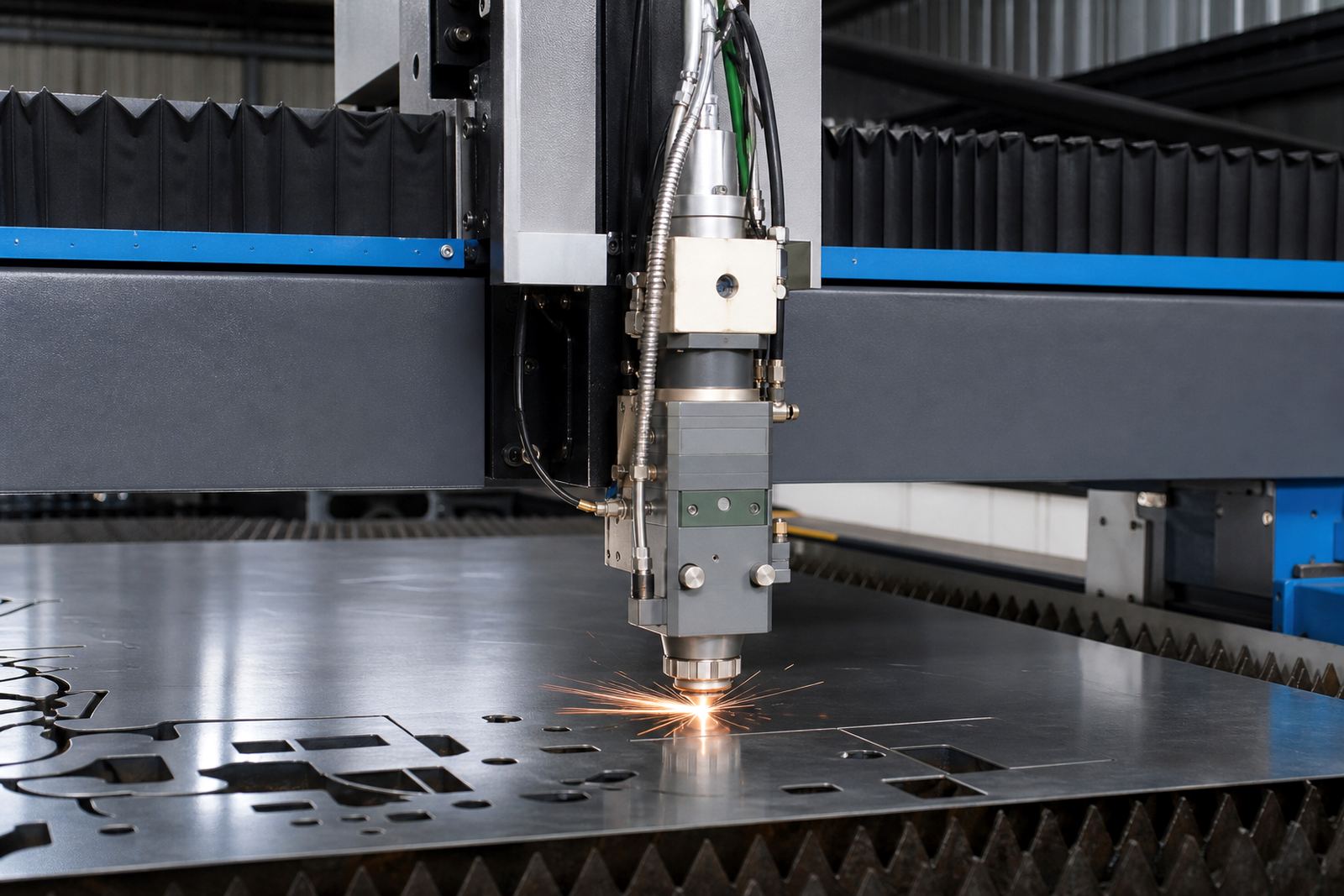
Cooling fittings are the small connectors that link hoses, elbows, reducers and unions in the liquid circuit feeding a cutting head. In fibre laser work, steady coolant movement helps carry heat away from the collimator side, focus section and body channels, so the head holds temperature more evenly through long cutting runs.
In practical use, these fittings suit water cooled head assemblies, chiller loops and return lines on sheet-metal machines that cut mild steel, stainless steel and aluminium. The parts need to sit square, seal cleanly and keep the bore open. If the joint is loose or the seat is damaged, you can get dripping, pressure drop or trapped air that shows up as unstable cooling.
For shops in Spartan, Kempton Park and across Johannesburg, Pretoria, Rustenburg, the East Rand, Durban and Cape Town, these connectors are usually installed during preventive maintenance, head rebuilds or after hose damage. On coastal floors, salt in the air can roughen metal surfaces faster, so a tidy seal and a correct collar matter more than people sometimes expect.
Sizes, threads and hose ends that must match
Cooling fittings come in a few practical formats, and the wrong one wastes time at the machine. Common options include straight connectors, 90 degree elbows, bulkhead fittings, unions, reducers and hose tail pieces. Thread form, thread diameter and hose outside diameter need to match the actual port on the head or on the chiller loop.
In laser shops you will usually see metric thread sizes on compact head assemblies, with hose tails sized for small bore cooling hose. Some systems use compression style seals, others use threaded metal into metal joints with O-rings. Where the fitting enters a plastic manifold or a delicate sensor block, overtightening can crack the housing or distort the seat.
It also helps to know whether the circuit uses soft hose, reinforced hose or a short rigid connector near the head. Short runs around the head cover may need a compact elbow so the hose does not kink under machine movement. For longer routes on gantry systems, a straight fitting with a smooth internal bore keeps restriction lower and makes the flow path easier to flush.
- Thread type and diameter, for example metric or BSP style matching the port
- Hose inside diameter and outside diameter where a barb or tail is used
- Angle, straight or swivel layout for tight head spaces
- Seal style, including O-ring, washer or compression seat
Where these connectors fit into the service routine
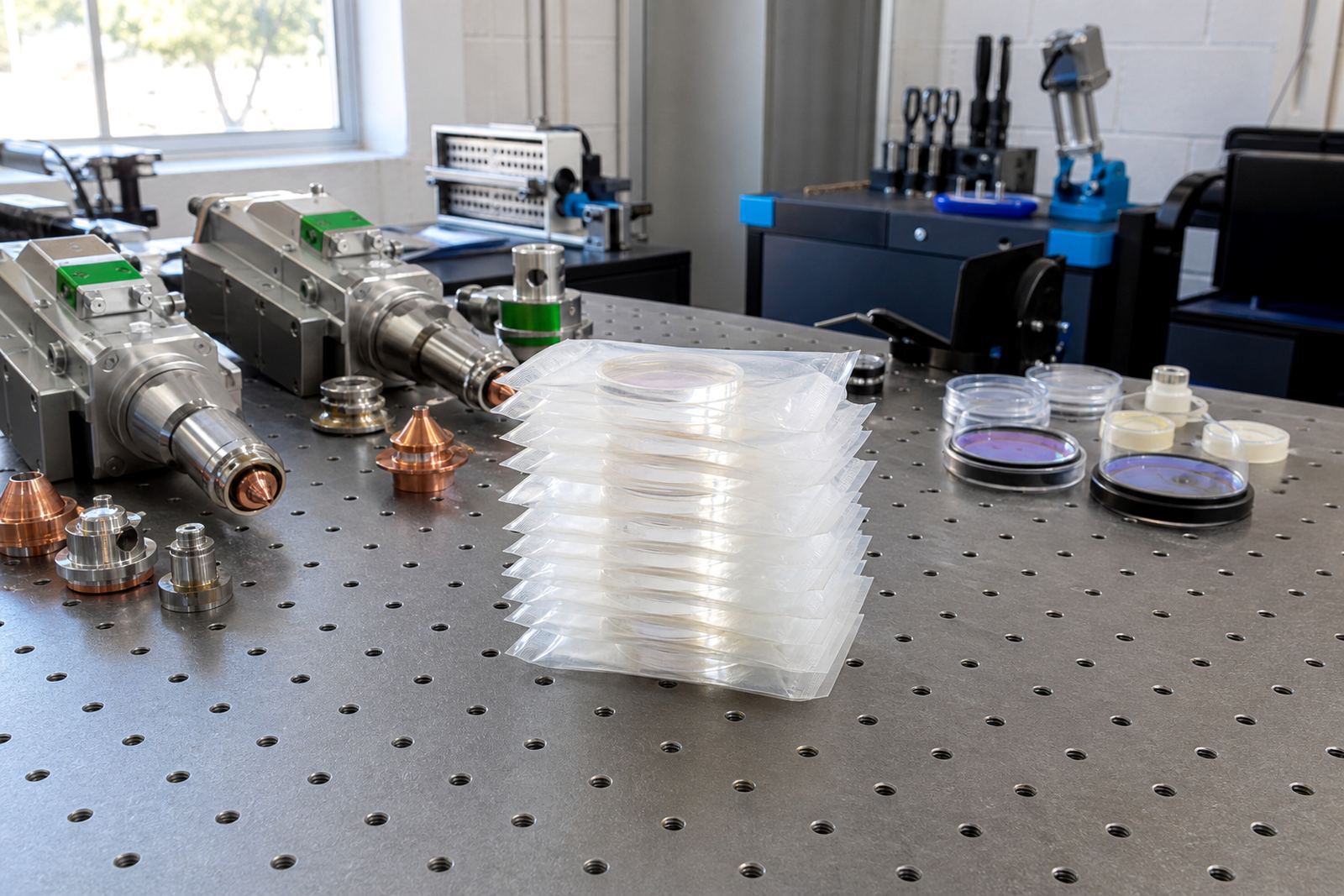
Cooling fittings are usually handled alongside bench service work, nozzle centring, focus setting checks and protective window replacement. When a head is opened for cleaning, the cooling circuit should be inspected for staining, mineral build-up, surface pitting and old seal fragments. A small leak near the head body can leave residue on the outside of the assembly, and that residue can later draw dust into the joint.
On-site alignment jobs often uncover cooling issues that were hidden on the bench. A hose that twists under gantry movement, or a fitting that sits at the wrong angle, can rub on the cable chain and wear through the outer jacket. That is why the connector layout should suit the actual machine path, not only the drawing on paper.
If a head has been stripped after a crash, check the cooling fittings before putting the unit back into service. Bent collars, damaged threads and worn sealing faces can cause repeat faults later. A clean change now saves the team from chasing the same seepage after the head has already been aligned and the focus set.
- Bench head service after leak, contamination or overheating signs
- On-site head alignment where hose routing and connector position matter
- Crash damage inspection when ports or collars have been knocked
- Spare head preparation before the unit goes back onto the machine
Fitting the joint without bruising the seal
Good installation starts with the seat. Wipe the port clean, check for burrs and make sure the old O-ring or washer has not stayed behind. If the face is scored, the new fitting may seal badly even when the thread feels tight. A little clean lubricant on the correct seal can help the joint seat without tearing, but it should never be packed with grease.
The hose should enter the fitting in line, not under strain. If the hose is forced around a tight bend, the barb can chew into the inner wall and loosen over time. Where vibration is expected, use the correct clamp or locking method for the connector type. Hand tight first, then a controlled final set with the proper tool works better than leaning on the fitting until the thread bites.
After fitting, run the coolant circuit and inspect the joint under pressure. Check for weeping at the base, movement at the collar and any air bubbles in the return line. A clean circuit should flow without pulsing, and the head should stay dry around the ports.
- Inspect sealing faces before assembly
- Match the hose route so there is no side load
- Use the correct clamp, collar or thread seal method
- Pressure test and watch for air in the return line
Care that keeps the circuit clean
Cooling fittings do not need much attention, but they do need regular visual checks. Mineral scale, greenish staining on copper parts, white deposits on aluminium and damp dust around a joint all point to trouble. In warmer inland areas, heat can make small seepage more obvious. On coastal jobs, moisture in the air can leave fittings looking fine while the thread has already started to corrode underneath.
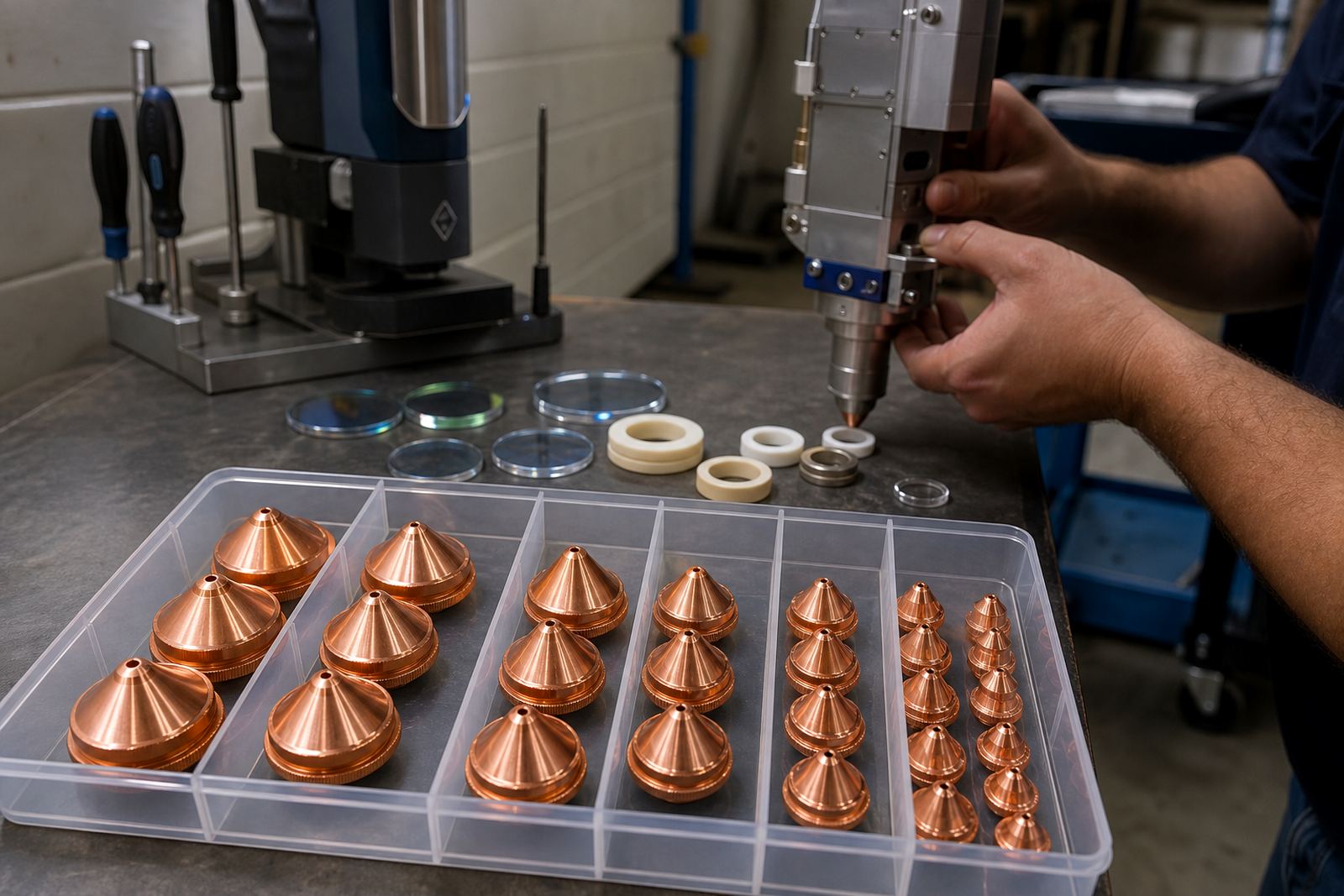
During routine cleaning, flush the line with the correct coolant mix and inspect the bore of any removed connector. If the inner passage has narrowed with residue, flow will suffer and the head may run hotter than expected. Replace O-rings that look flattened, cut or hardened. Keep spare fittings wrapped and sorted by size so the wrong collar does not end up on the bench when a machine is down.
For shops handling daily cutting, it helps to include the cooling circuit in the same inspection list as nozzles, lenses and ceramic rings. That way the team can spot a connector that is beginning to fail before it leaves the floor with a proper drip trail under the machine.
What to confirm before ordering the part
Ordering the right cooling fitting depends on getting the small details right. The thread, seal, angle and hose size have to match the head layout, and even a neat-looking connector can be wrong if the bore or seat is off by a small amount. For heads in the Raytool range and similar fibre laser assemblies, the safest order is the one built from the actual port dimensions and the hose type on the machine.
Have the machine serial details ready if there is a drawing or parts list, but also check the fitting itself on site. Threads can vary between head body, sensor block and auxiliary cooling paths. If the head has been rebuilt, the new port depth may differ slightly from the old worn part. A photo of the connector beside a ruler helps a lot when matching the part type.
- Thread diameter and pitch on the port
- Hose inside diameter and outside diameter
- Connector style, straight, elbow, union or reducer
- Seal type and seat shape, including O-ring dimensions
- Material preference for brass, stainless steel or polymer body
- Whether the fitting sits on the head, chiller loop or return line
Raytool supplies cooling fittings and related connectors for fibre laser cutting heads, with bench service and on-site alignment support from Spartan, Kempton Park to sheet-metal shops across South Africa. The right part keeps the liquid path steady and makes later servicing much cleaner.
Key facts
| Product type | Cooling fittings and connectors for fibre laser cutting head liquid circuits |
|---|---|
| Typical sizes | Small bore hose tails and matched metric thread ports, depending on head layout |
| Common forms | Straight, elbow, union, reducer, bulkhead and swivel styles |
| Seal options | O-ring, washer, compression seat or threaded metal-to-metal style |
| Materials | Brass, stainless steel or polymer body parts, depending on the circuit |
| Use areas | Head bodies, sensor blocks, chiller loops and return lines on sheet-metal machines |